Summary
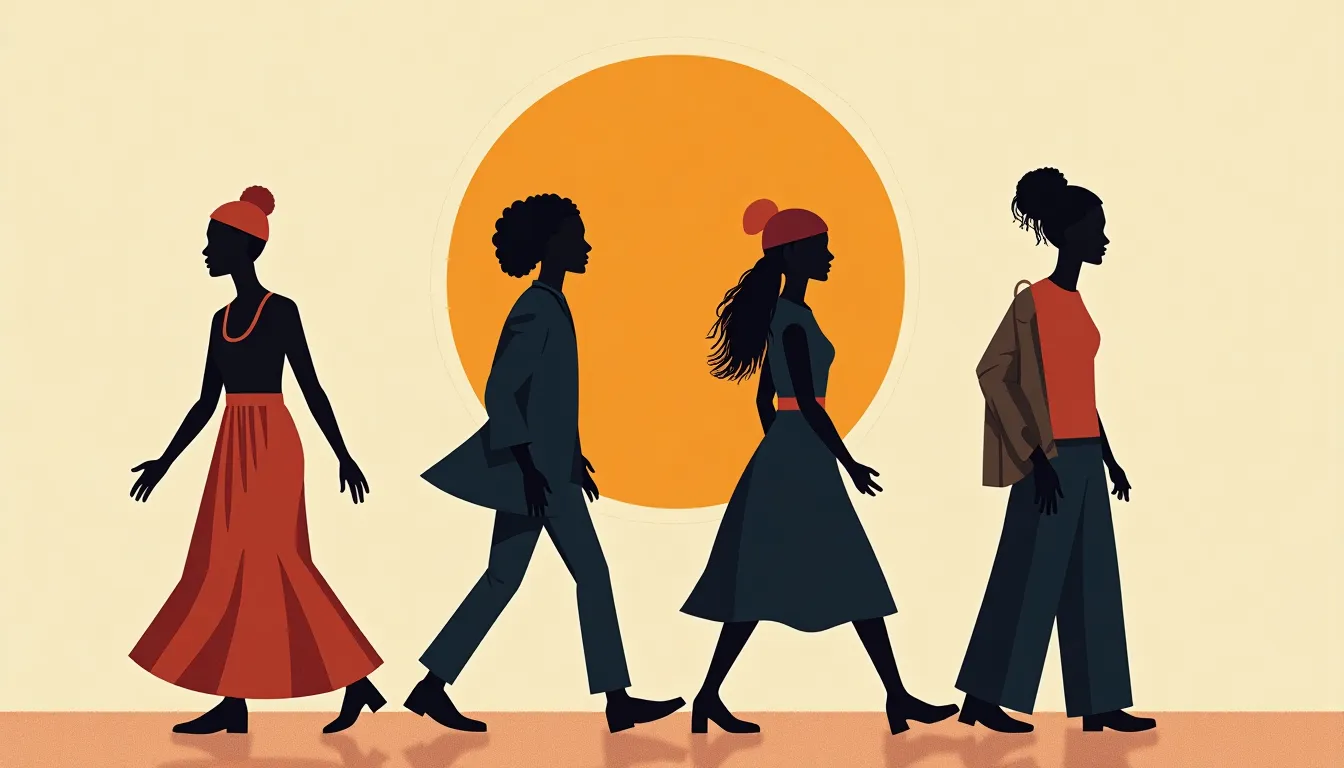
You know how we’ve always talked about the evolution and rise of female rappers, particularly from the South? Well, it’s finally happening! Southern female rappers like Megan Thee Stallion, GloRilla, Flo Milli, and Latto are not just breaking barriers, they’re selling out arenas and making waves with their music in ways we couldn’t have imagined a decade ago. It’s like watching a phoenix rise from the ashes of bias and underrepresentation, and it’s honestly glorious.
Key Points
• This year has seen a significant rise in the popularity of Southern female rappers, with sold-out shows and successful album releases.
• Megan Thee Stallion’s arena tour, despite initial criticism, was a huge success, and Latto’s ‘Sugar Honey Iced Tea Tour’ has also been selling well.
• The current moment in rap music is seen as a much-needed reset, showcasing female artists and their talent.
• Artists like Megan Thee Stallion, Latto, GloRilla, Flo Milli and others are leading the way in the female rap renaissance.
• The music released by these artists is also gaining popularity, with Megan Thee Stallion’s “Bigger In Texas” and GloRilla’s debut album “Glorious” being notable examples.
Background
• Female rappers have historically been underrepresented in the hip-hop genre. In the past, female artists were largely attached to tours with their record labels, and their shows were male-dominated events.
• Pioneers like Gangsta Boo, Mia X, Trina, and others laid the foundation for the current success of female rappers.
• Despite the success of artists like Nicki Minaj, it took several years before hip-hop became more reflective of the 1990s and early 2000s, a time when there were multiple successful female artists.
Future Implications
• The current success of Southern female rappers is likely to inspire more women to enter the genre, leading to greater diversity and representation in hip-hop.
• This surge in popularity could also prompt record labels to sign and promote more female artists.
• The success of these artists’ tours could lead to more female-led shows and events, changing the traditionally male-dominated dynamics of the industry.