
Summary
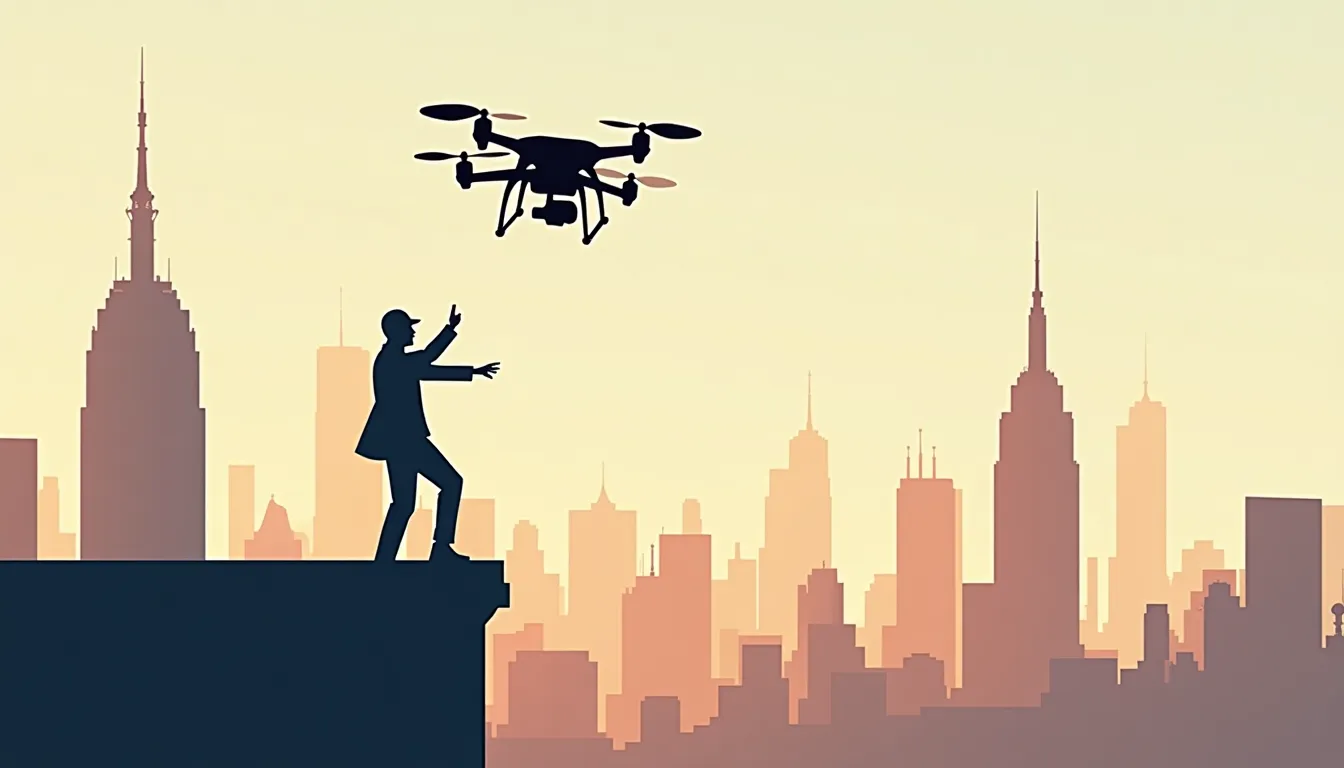
Hey buddy, imagine this: the NYPD has launched a futuristic initiative, like something straight out of a sci-fi movie, where drones are dispatched to crime scenes even before officers can get there! It’s like having a robotic scout or a mini superhero zipping through the city. But it’s not all rosy – some are saying it’s a privacy nightmare, akin to a nosy neighbor who keeps poking his nose where it doesn’t belong, especially since these drones are paired with a system called ShotSpotter that’s had its fair share of criticism.
Key Points
– The New York Police Department has implemented a “Drone as First Responder” initiative, which uses drones to respond to emergency scenes ahead of police officers.
– Two drones will be deployed at each of five NYPD stations, including the one overseeing Central Park. Three precincts in Brooklyn and one in the Bronx will also receive drones.
– The drones are set to autonomously respond to emergencies such as missing-person searches, alerts from the NYPD’s ShotSpotter gunfire detection system, and crimes in progress.
– Once a drone reaches an emergency scene, an NYPD drone pilot takes control, using high-resolution cameras and high-definition audio microphones to assess the situation and relay live feeds to officers on the ground.
– The use of drones by NYPD has stirred controversy, with civil liberties and privacy rights advocates expressing concerns. Criticism was particularly directed at the use of the ShotSpotter system, which has been deemed unreliable by some.
Background
– This latest development marks an expansion of NYPD’s use of drones, a program that started in late 2018. Despite the controversy and criticism, the department continues to find new ways to incorporate technology into its operations to enhance efficiency and safety.
Future Implications
– The success or failure of this initiative may influence the use of drones in emergency response by other police departments across the country. However, concerns over privacy and reliability of the technology used will likely continue to be a major point of discussion. Increased scrutiny and possible regulation could follow if these concerns are not adequately addressed.