
Summary
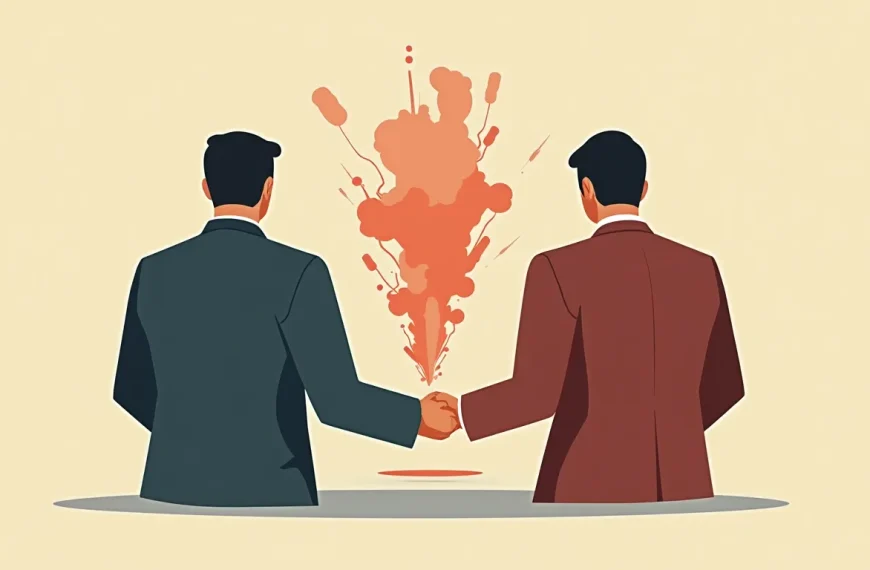
Imagine Ukraine’s special forces as a cunning fox, stealthily creeping into the bear’s den and causing chaos. That’s what happened when they assassinated Lt Gen Igor Kirillov, the head of Russia’s Nuclear, Biological and Chemical Protection Troops, right under the Kremlin’s nose. It’s like a dark chess match that’s turned personal, with Ukraine’s move sparking fear and loathing, and making the Kremlin feel like they’re walking on a tightrope of paranoia. Will this force Putin to the negotiation table? Well, it’s like expecting a storm to be pacified by a single drop of rain, considering the Kremlin’s substantial losses in their war with Ukraine.
Key Points
• Lt Gen Igor Kirillov, head of Russia’s Nuclear, Biological and Chemical Protection Troops, was assassinated, instilling fear and loathing.
• This assassination fits into an escalating pattern of killings by Ukrainian special forces of high-ranking Kremlin officials.
• The killing of Kirillov is being seen as a high point for Ukraine’s assassination program, which has targeted senior propagandists, officials, journalists, scientists, and military officers.
• Following Kirillov’s death, a blame game has started, with Russian military bloggers questioning the competence of Russia’s internal security services.
• Dmitriy Medvedev has called for immediate revenge, but it is unclear whether this will change Putin’s strategy regarding potential peace talks with Ukraine.
Background
• Ukraine has been in conflict with Russia since 2014 when Russia annexed Crimea from Ukraine. This recent assassination is part of an ongoing proxy war between the two nations.
• The targeted individuals are often linked to the war, particularly those spreading misinformation or involved in the military activities against Ukraine.
• The Kremlin has lost over 700,000 soldiers in its war in Ukraine, indicating the severe toll this conflict has taken on Russia’s military.
Future Implications
• This assassination might further strain relations between Ukraine and Russia, potentially hindering peace talks.
• It could also cause paranoia within the Kremlin, as top officials may feel that they could be targeted next.
• The incident may result in a more aggressive stance from Russia in the conflict, especially considering calls for immediate revenge from high-ranking officials like Medvedev.