
Summary
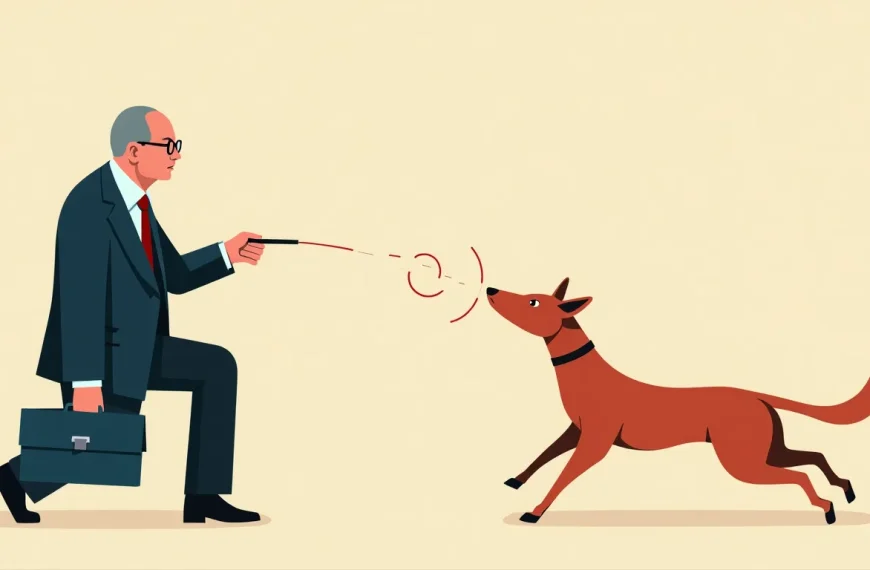
So, imagine North Korea as a gambler low on cash, joining a high-stakes poker game hosted by Russia. Putting down 11,000 troops and a huge stockpile of weapons as its bet, North Korea helps Russia in its war against Ukraine, earning some much-needed cash, food, oil, and advanced weapons in return. It’s a risky bet that might pay off big in terms of aid and international leverage, but it could also leave North Korea vulnerable at home and strain its relationship with its main ally, China.
Key Points
• North Korean leader Kim Jong-un has supplied an estimated 11,000 troops and weapons to Russia to support its war against Ukraine.
• The deployment provides timely aid for Russia and benefits North Korea in terms of cash and diplomatic leverage.
• Kim Jong-un is receiving food, oil, cash, and advanced weapons systems from Russia in return.
• North Korea has also provided Russia with 20,000 shipping containers’ worth of weapons, including artillery shells, newly developed ballistic missiles, and long-range howitzers.
• North Korea has earned up to $5.5 billion through arms deals with Russia.
Background
Kim Jong-un’s regime in North Korea has suffered from international sanctions, which have devastated the country’s economy by banning all its major exports and curtailing its oil imports. The sanctions, along with the collapse of diplomatic negotiations with the U.S. and the impact of the pandemic, have left North Korea in a desperate situation. In this context, the North Korean leader has sought to lift the sanctions and strengthen his regime through his alliance with Russia.
Future Implications
The alliance between North Korea and Russia brings several risks for Mr. Kim. The deployment of North Korean troops in Russia could potentially weaken North Korea at home. It also remains unclear how this alliance will impact North Korea’s relations with other nations, including China. The potential for North Korea to gain access to sensitive nuclear and missile technologies through its cooperation with Russia also raises serious security concerns.